| Meet the University of Wisconsin-Madison’s Beth Drolet Professor of Dermatology |
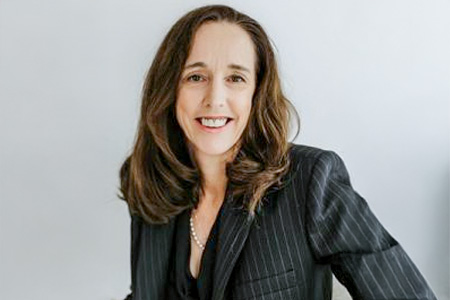 |
Research area The team conducts translational research focused on birthmarks and vascular anomalies, linking patient care with laboratory discovery. By collecting clinical data and patient samples, the team investigates the genetic and molecular pathways that drive these congenital conditions. Using next-generation sequencing, researchers identify disease-causing mutations and develop targeted therapies, including novel drugs and gene editing. The team also leads clinical trials and longitudinal studies to better understand the prevalence, complications and outcomes of vascular anomalies.
What excites you about your work?
“What’s transformational about our research is using gene and molecular discoveries to change the way we think about disease. I study vascular anomalies, which were traditionally considered birth defects that could only be treated with surgery or destruction of the malformed tissue. We found that in a birthmark, there’s a gene mutation that’s not in any other part of your body, and that’s what causes abnormal development and growth of blood vessels—that mutation drives cells to behave differently. If we understand what the gene is doing, we can stop that activated pathway with medication or even with gene editing.”
What do you hope to achieve?
“Our next step is thinking about repurposing drugs and conducting clinical trials, with the goal of eventually transitioning to gene therapy. I am very excited about the concept of gene editing for these malformations, as it offers the potential for a cure without a lifetime of drug or surgical therapy. By building on our gene discovery work and applying new technologies, we have a real opportunity to transform outcomes for patients. Importantly, this approach could also be adapted to other rare genetic skin diseases, expanding the impact of our research far beyond vascular anomalies.”
Dr. Drolet’s research primarily focuses on vascular anomalies in pediatric patients. We believe the translation of her findings holds significant potential for impact.
– Rafael Diaz, WARF, Licensing Manager
Want to learn more?
Rafael Diaz, [email protected], 608.960.9847